


When do I use which sharpening agent?
How dull is the edge?
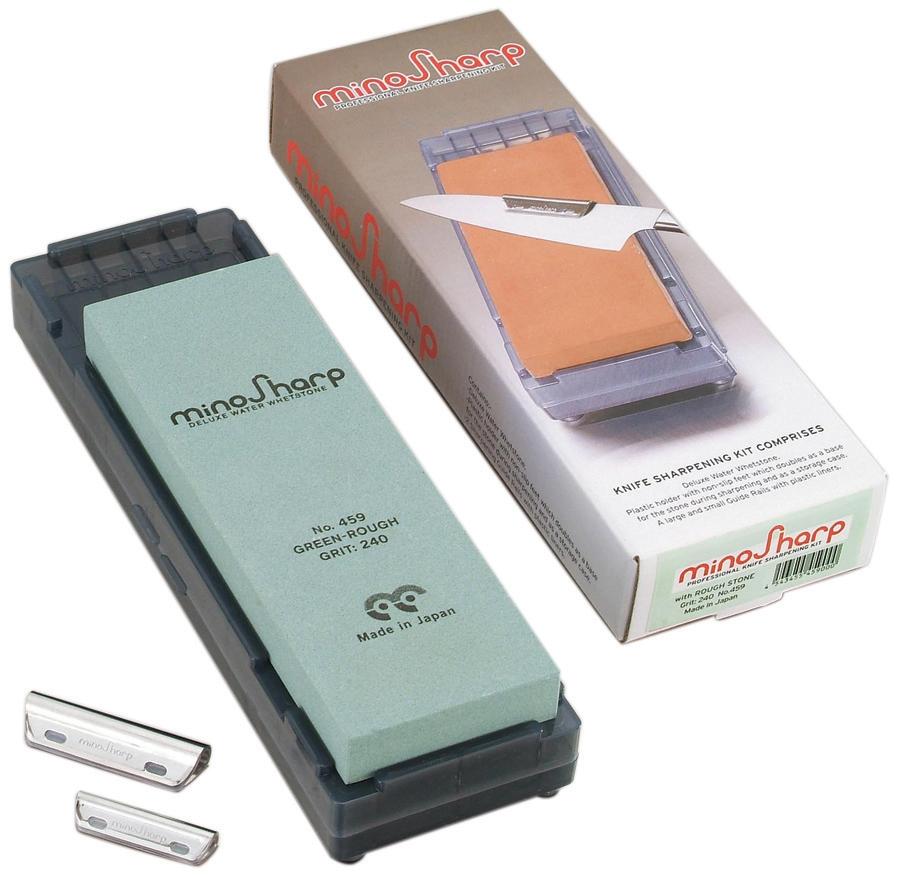
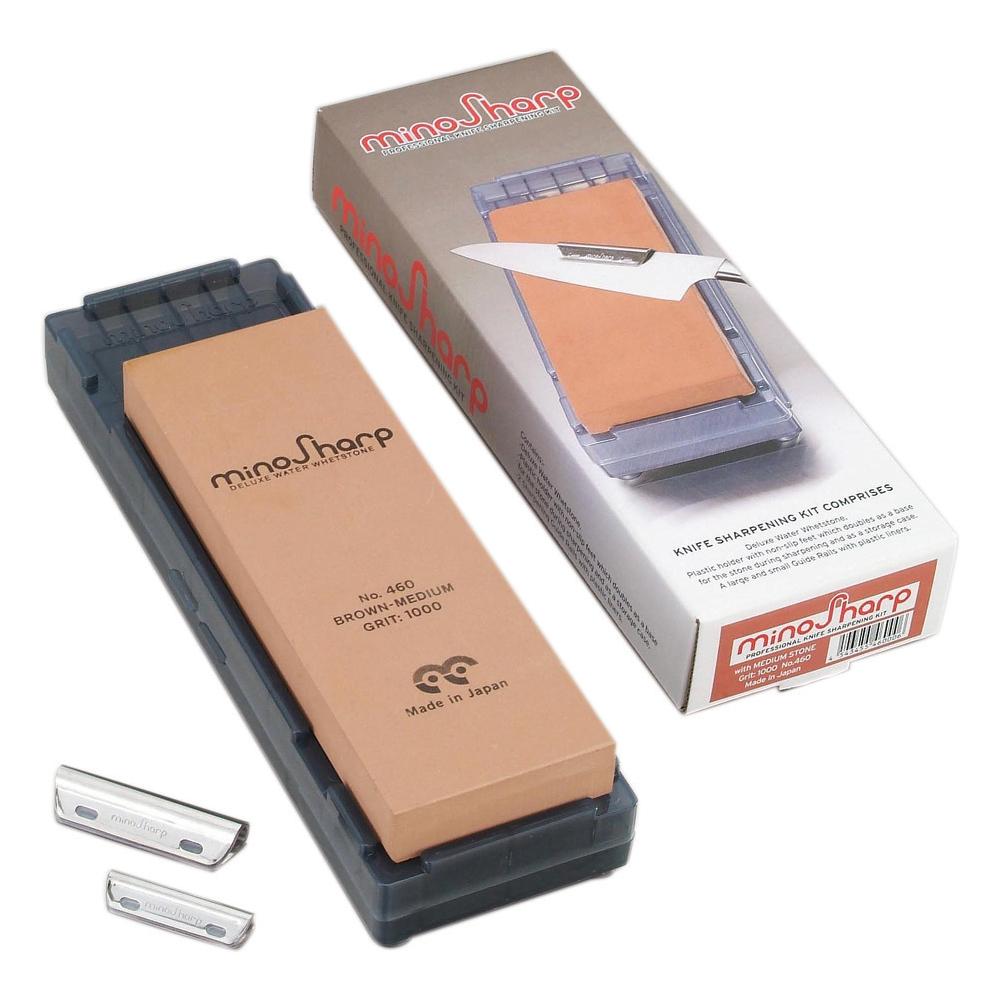
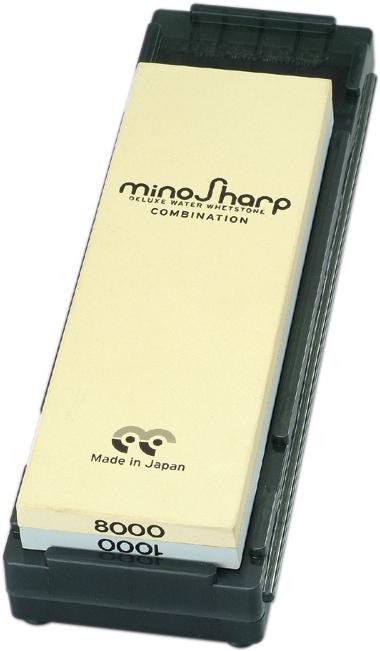
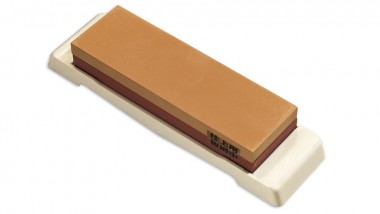
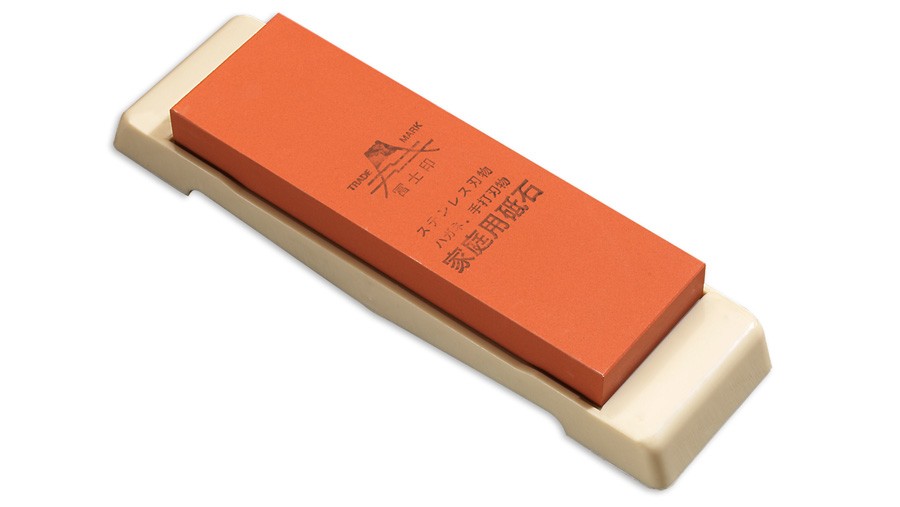
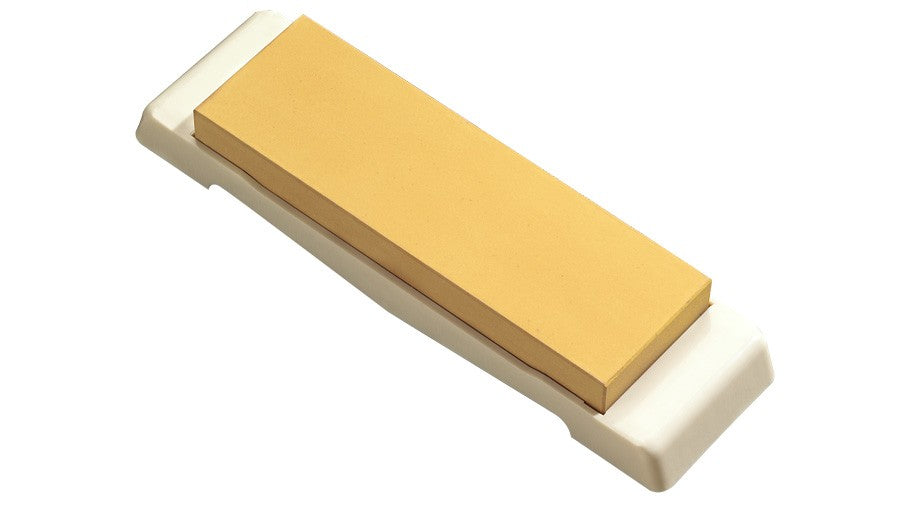
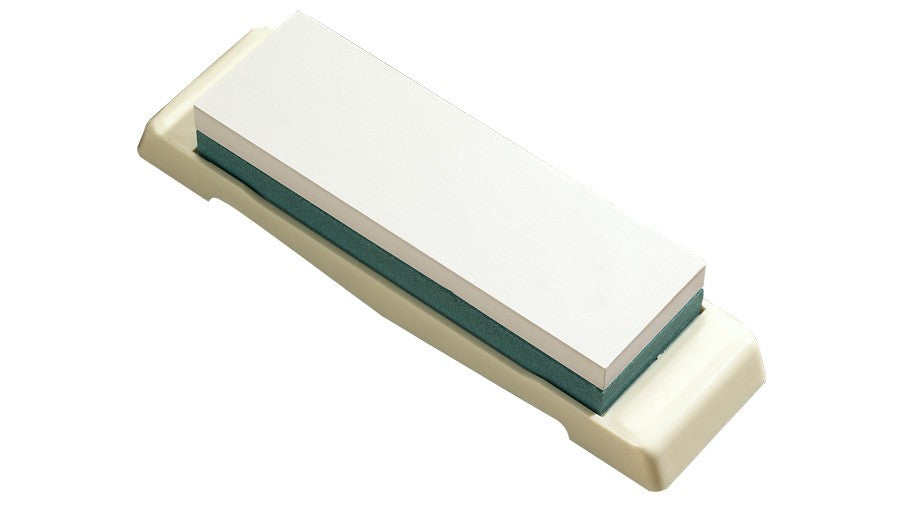
A truly dull edge is identified by the reflection of light when viewed from above. If the edge is really dull, it is advisable to pre-grind with a 240-grit stone until a burr forms. This is difficult for beginners to detect. With a little practice, even if it is very subtle, it can be seen with the naked eye. Otherwise, you can feel it by running your finger, from the spine of the knife towards the edge, over the edge (from the spine towards the edge). If you feel something rough, that is the burr. If the burr can be felt evenly across the entire edge, you can move to a higher grit to remove it. 1000 grit is well-suited for this. Depending on the desired sharpness, even higher grits can be used. The finer the edge, the better the knife "grips" the cutting material. For a particularly good result, a leather strop with sharpening paste is recommended. This can be used instead of a high-quality sharpening stone (approximately 6000 grit). It is also suitable for merely stropping high-quality knives – depending on the condition of the edge.
How good is the steel?
The better the steel, the more worthwhile it is to invest in higher grit stones. Although a 1000-grit stone would certainly suffice, it would not do justice to the knife's potential. A leather strop with polishing paste is definitely recommended.