


Extend the life of your kitchen knives with 4 simple tricks!
What does the lifespan of a knife depend on?
Firstly, the lifespan depends on the knife's technical characteristics: the harder and finer the cutting edge, the longer the knife typically stays sharp. The cutting angle and the knife's intended use also influence how long it stays sharp. For example, not every knife is designed for boning or cutting bread. Secondly, the sharpness depends on how it's handled.
Below is a list of things to avoid:
-
Cutting on the wrong surface, such as glass or stone, significantly reduces a knife's lifespan. It is best to use wood (end grain wood is optimal) or plastic.
-
Washing knives in the dishwasher:
There are several reasons why knives should be washed by hand rather than in the dishwasher.
In the dishwasher, your beloved kitchen knife is exposed for much longer to an aggressive, more concentrated dishwashing detergent, which is dissolved with salt to soften the water and only becomes effective at much higher temperatures. Almost every knife enthusiast who has enjoyed a seaside vacation and consequently experienced the effects on their knives knows about the corrosive (rusting) effect of salt: rust spots on the cutting edge and a very rapid loss of sharpness.
Visually, you often don't see any rust spots or similar after washing, but the handle and the invisible cutting edge, which is only a few micrometers thick, are "washed away" by dishwashing. The edge retention of a knife can therefore be extended by many years without needing a professional if you regularly hone it and do not put it in the dishwasher.
Therefore, if you care about your knives, you should rather give them a hand wash for a minute with the SOFT side of a sponge.
-
Wiping food off the board with the cutting edge can unnecessarily shorten a knife's lifespan because it "rolls" the edge. Instead, use the spine of the knife to push the cut food off the board.
-
Do yourself a favor and don't buy cheap knives from hardware stores or supermarkets. Generally, only inferior knives are offered there. These "knives" might be very cheap initially and function satisfactorily, but the joy of these products quickly fades, and their maintenance and repurchase are much more costly than treating yourself to a good knife once. The reason is the steel, which tends to chip because the structure is much coarser, and the knife cannot be sharpened as thinly. Result: You remove much more material than necessary and have worse cutting properties than with a good knife.
What you should still keep in mind
Even if you avoid these four mistakes, you unfortunately cannot prevent a knife from dulling over time. Just as constant dripping wears away a stone, a knife also dulls over time with correct use.
How does this happen?
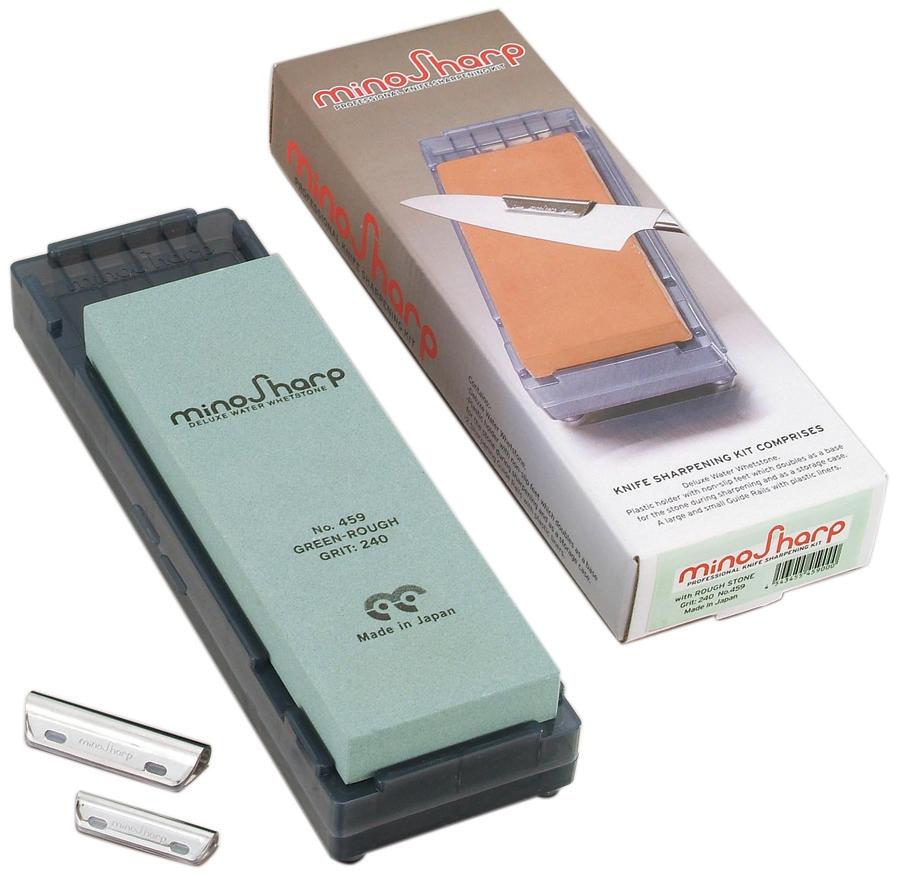
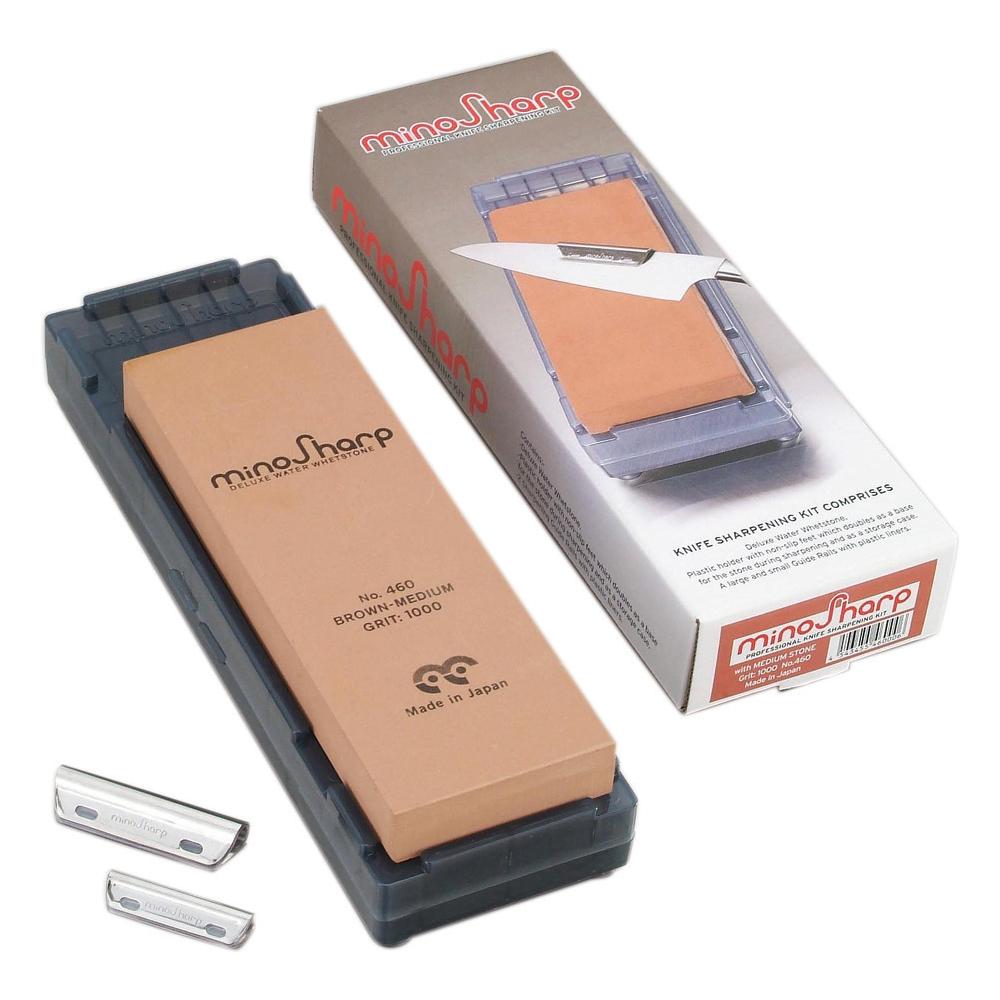
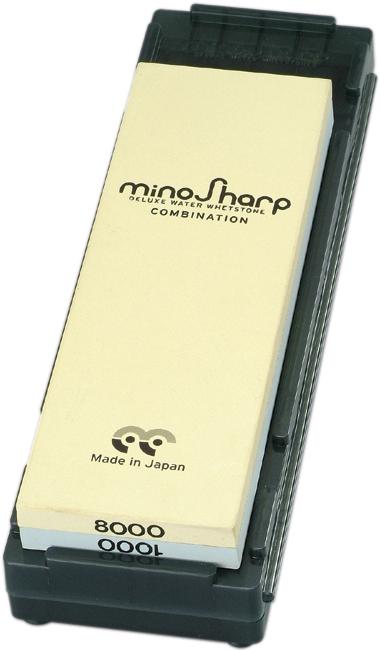
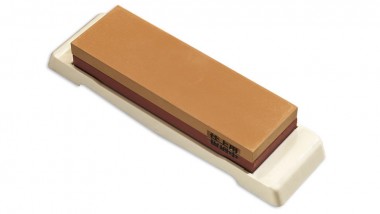
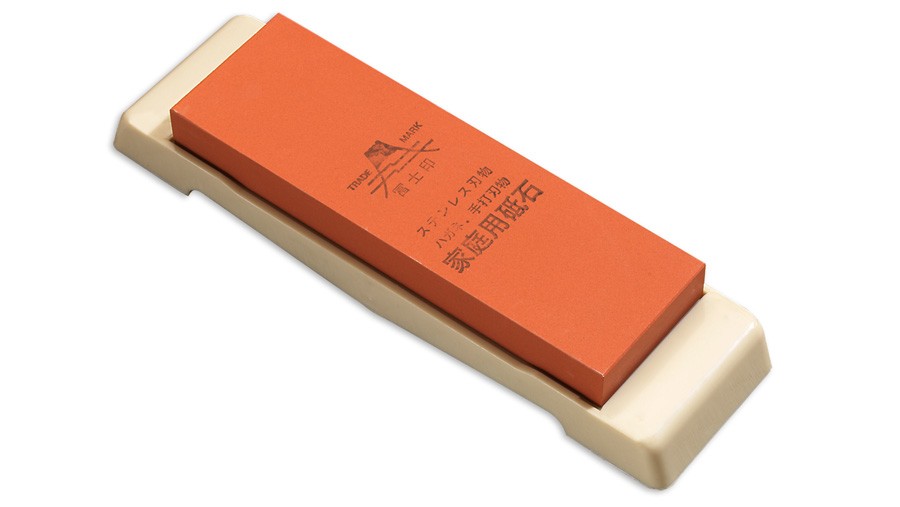
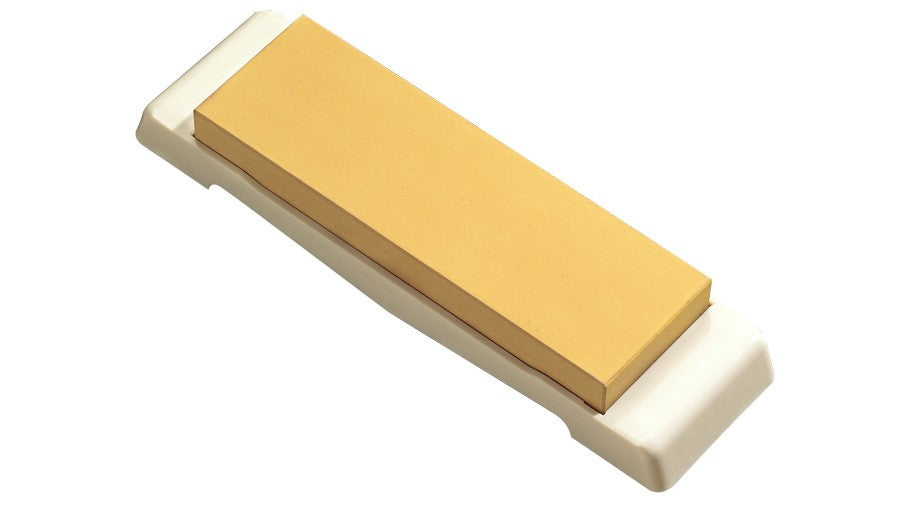
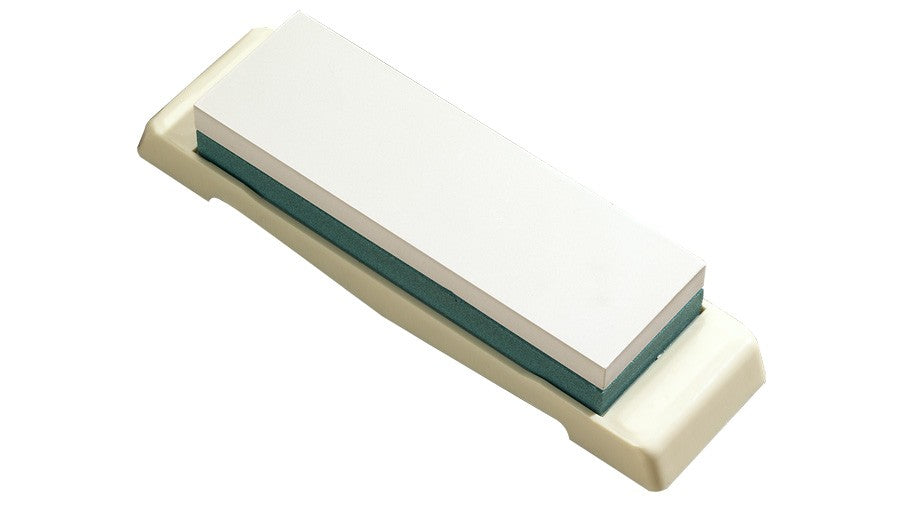
The thinnest part of a knife is the cutting edge. This (invisible) area bends "over" time and needs to be regularly straightened by honing. Honing the knife with a honing steel (sapphire, ceramic, diamond-coated, or tungsten carbide) or a water or oil stone works very well for a certain period and can considerably extend a knife's functionality, but eventually, the edge becomes so rounded that the cutting edge geometry can only be restored with a water or oil whetstone. For the initial grind, it's best to use a sharpening stone with a grit of 240 and then work with finer grits (starting at 1000) to achieve a razor-sharp edge that you will enjoy using again.